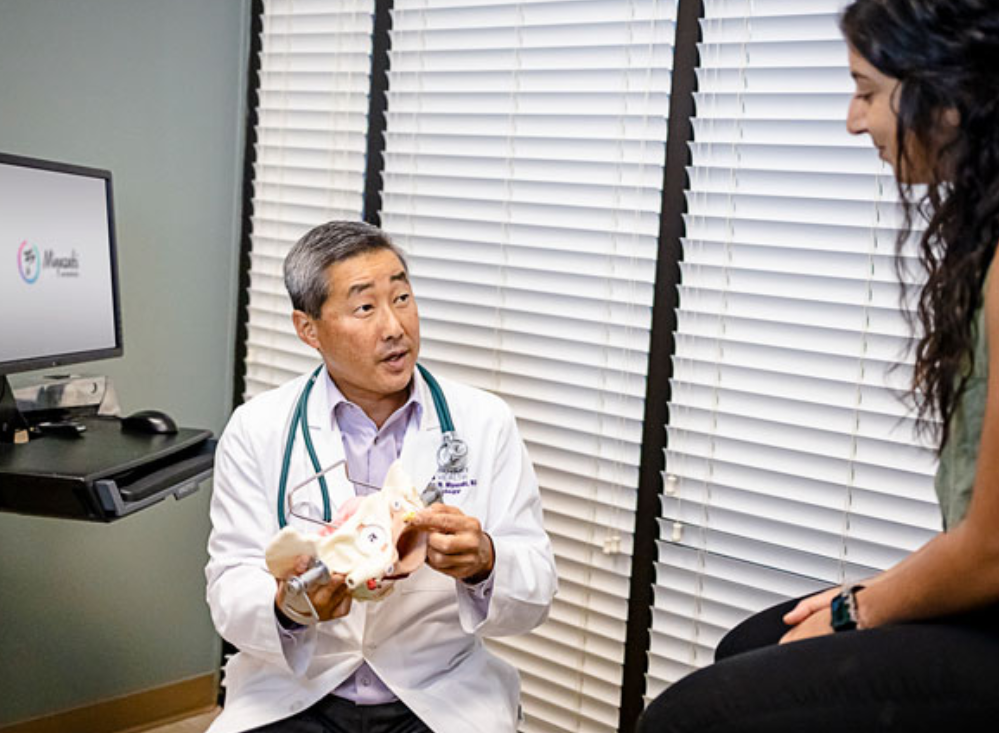
As we celebrate Patient Recognition Week this February, we would like to highlight the behind-the-scenes innovations that are transforming patient care. The hands-on training that occurs in simulation labs has a profound impact on patient safety and outcomes. Advanced surgical simulation, particularly through innovative models like the Miya Model, is changing the way healthcare professionals prepare for procedures, with benefits flowing directly to patients. Patient safety is the main area of focus for simulation labs, creating a safe surgical environment for patients and improving patient outcomes.
The Role of Surgical Simulation in Patient Safety
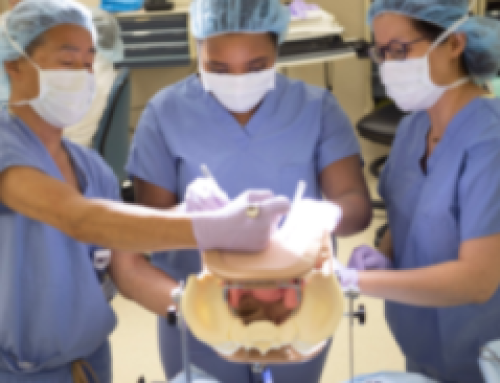
Surgical simulation has evolved from a nice-to-have educational tool into an essential component of patient safety protocols. Traditional medical training has shifted with modern healthcare that demands higher standards. Simulation labs provide a risk-free environment where surgeons, nurses, and surgical teams can practice procedures repeatedly, refine their techniques, and encounter rare complications before they happen in real time with real patients.
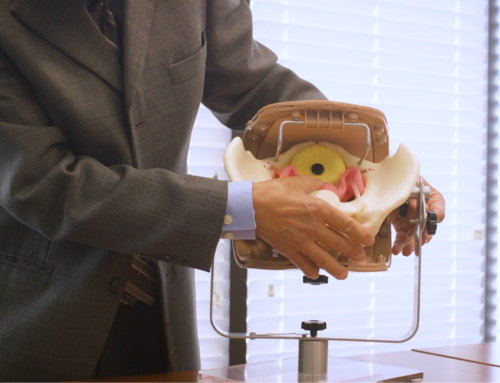
“It’s OK to make mistakes in the simulation lab, in fact, we love it. Part of the path to becoming a good practitioner is learning how to do things right and what are good and bad techniques. The Miya Model provides a perfect opportunity to practice, repeat and perfect your surgical skills in a safe, low stress, non-judgmental environment.” – Dr. Douglas W. Miyazaki, M.D.
The impact on patient outcomes is measurable and significant. Studies have shown that surgical teams who train regularly in simulation environments demonstrate improved procedural accuracy, reduced complication rates, and enhanced team communication during actual surgeries. When a surgeon has performed a complex procedure dozens of times in simulation, muscle memory takes over during the real operation, reducing hesitation and improving precision. For patients, this translates to shorter operating times, fewer errors, and faster recovery periods. Every hour spent in the simulation lab represents countless patients who will receive safer, more effective care.
The Miya Model: Simulation is Valuable for Patient Outcomes
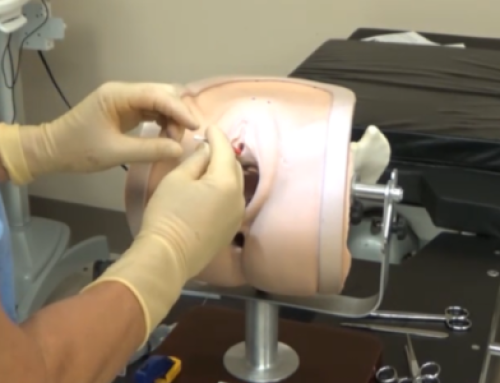
The Miya Model represents a breakthrough in surgical simulation technology, offering unrivaled realism in tissue handling and anatomical representation. Unlike traditional simulation models that may feel artificial or lack the complexity of human anatomy, the Miya Model replicates the tactile feedback, tissue resistance, and anatomical variations that surgeons encounter in actual procedures. This high-fidelity simulation allows practitioners to develop the nuanced skills required for delicate surgical maneuvers.
What makes the Miya Model particularly valuable for patient outcomes is its versatility across multiple surgical specialties. Whether training for minimally invasive procedures, open surgeries, or emergency interventions, the model provides consistent, reproducible scenarios that build confidence and competence.
Key benefits include:
- Enhanced technical proficiency: Surgeons develop precise hand-eye coordination and instrument handling skills that directly reduce tissue trauma during actual procedures
- Improved decision-making: Practitioners learn to recognize anatomical landmarks and variations, leading to better intraoperative judgment and fewer unexpected complications
- Team coordination: Entire surgical teams can practice together using the Miya Model, strengthening communication protocols that prevent errors in the operating room
- Subspecialty training: The model supports training for complex, high-risk procedures that surgeons may encounter infrequently, ensuring readiness when rare cases arise
Infection Prevention by Mastering Sterile Technique
One of the most critical aspects of patient safety is infection prevention, and simulation labs serve as the ideal training ground for perfecting sterile technique. Surgical site infections remain a significant cause of patient morbidity, extended hospital stays, and increased healthcare costs. Through repetitive simulation training, healthcare teams internalize proper sterile protocols until they become second nature.
The Miya Model and similar simulation tools allow practitioners to practice surgical procedures and the entire perioperative process, from proper hand hygiene to maintaining the sterile field throughout lengthy procedures. Trainees can receive immediate feedback on breaches in sterile technique without any risk to patients. This learning environment helps identify knowledge gaps and corrects improper habits before they can compromise patient safety.
Benefits include:
- Standardized protocols: Ensure that every team member follows identical infection prevention procedures
- Environmental awareness: Teams learn to maintain sterile fields while managing equipment malfunctions or emergency situations
- Quality improvement: Simulation data helps institutions identify infection prevention weaknesses and implement targeted improvements
Celebrating Patients Through Continuous Improvement
Patient Recognition Week reminds us that behind every medical advancement, every training session, and every quality improvement initiative stands a person who deserves the highest standard of care. The investment in surgical simulation and models like the Miya Model represents healthcare’s commitment to that standard. Every simulation session honors patients by acknowledging that their safety is worth the time, resources, and dedication required for excellence.
As we celebrate patients this February, we also celebrate the healthcare professionals who dedicate themselves to continuous learning and improvement. The simulation lab is where compassion meets competence, where the desire to help patients transforms into the technical skills needed to deliver outstanding outcomes. When patients place their trust in surgical teams, they’re benefiting from countless hours of practice, preparation, and refinement that happened long before they entered the operating room.
The future of patient safety is bright, powered by innovations in surgical simulation that creates excellent outcomes. As we recognize and honor patients, we also recognize that their safety starts in the simulation lab, creating a foundation for healing and hope.