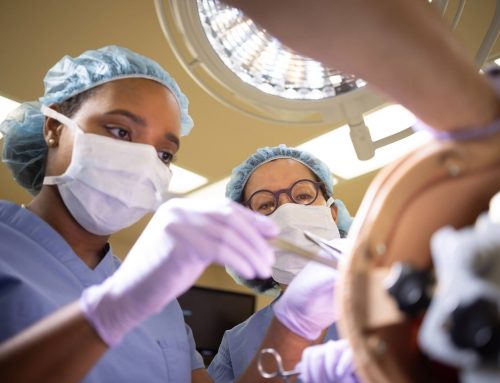
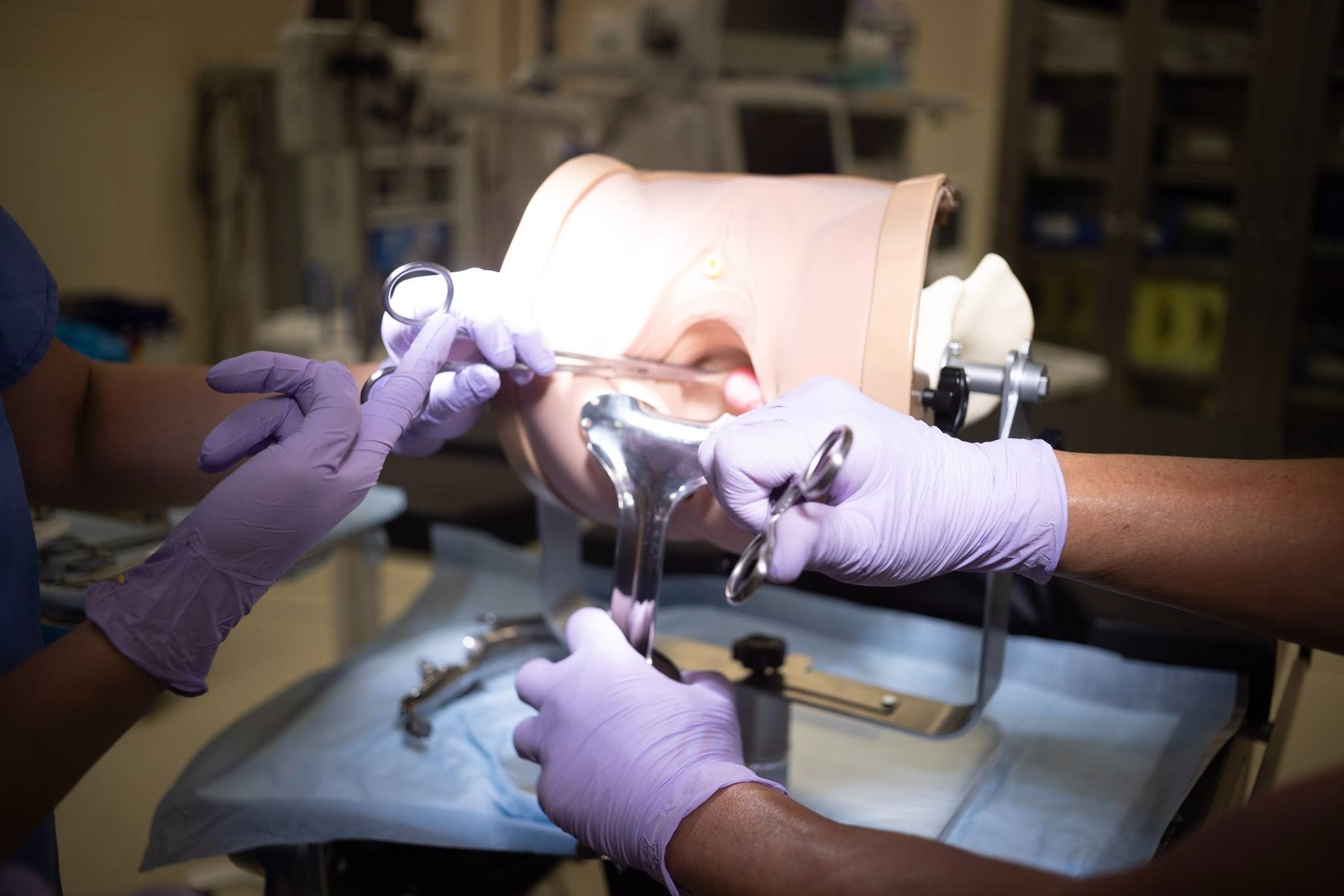
Modern surgical programs can face severe economic pressures. Transitioning from highly expensive traditional training to high-fidelity surgical simulation is no longer an educational choice; it’s a vital cost-saving strategy.
Direct Reduction in Operating Room Minutes
While training in the operating room is highly effective, it is also one of the most expensive forms of surgical education. On average, each minute in the operating room costs hospitals an estimated $36-65, while costs to patients can reach up to $133 or more per minute. Simulation training allows practitioners to develop essential skills, and in some cases, are 20% faster than those who received standard training only during their first live-training surgery. The result is meaningful cost savings for both healthcare providers and patients without compromising educational quality.
Moving Beyond Costly Cadaver Labs
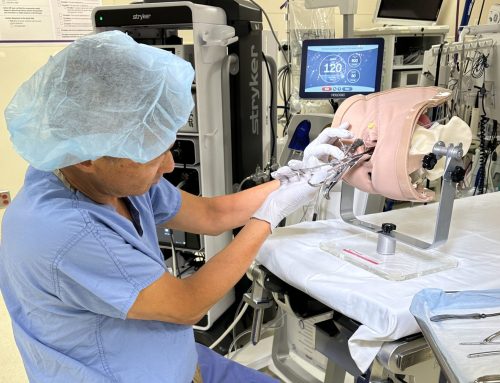
Cadaver labs can be a valuable training resource, but they come with significant financial and logistical challenges. Costs can quickly reach thousands of dollars per session when specialized equipment, fees, and specimen preparation are considered. Other limitations are inconsistent anatomy, storage issues, disease prevention, and single use practice. However, when using a synthetic training model – such as the Miya Model – you get the same level of educational practice without the logistical and financial challenge.
Lowering Complication Rates and Liability Claims
Using simulation training with synthetic models allows practitioners to attempt high-risk procedures and maneuvers with zero risk to patient health. Decreasing the chance for complications leading to additional patient care, or even malpractice liability. Allowing surgeons to perform complicated real-world procedures with confidence.
Cost Saving Modular Designs
A key benefit to the Miya Model is its modular design. Meaning that multiple procedures can be completed on just one model, and the parts replaced for continued use. This removes the need to purchase and discard single-use models. Driving the procedural costs down as the model is continually used.
Compressed Training Timelines Amid Declining Case Volumes
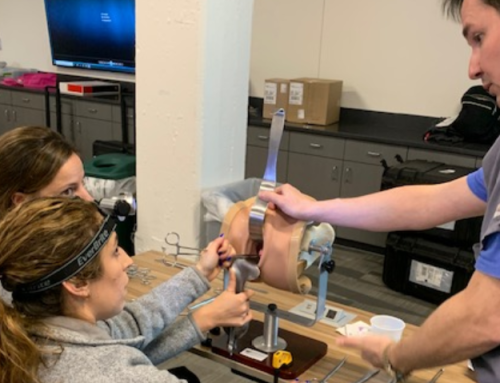
Instead of waiting for the opportunity to learn when uncommon cases appear in a live clinical setting, the Miya Model enables surgeons to practice specific procedures at an accelerated rate and consecutively if they choose. Meaning that they already could have extensive subject knowledge and practice before even touching a patient.
Transitioning to advanced simulation is a proven financial strategy that protects budgets while elevating patient outcomes. Contact Miyazaki Enterprises today to learn how to seamlessly integrate realistic, budget-friendly simulation in your clinical curriculum today.