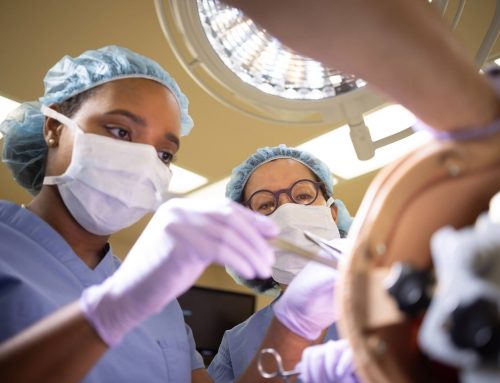
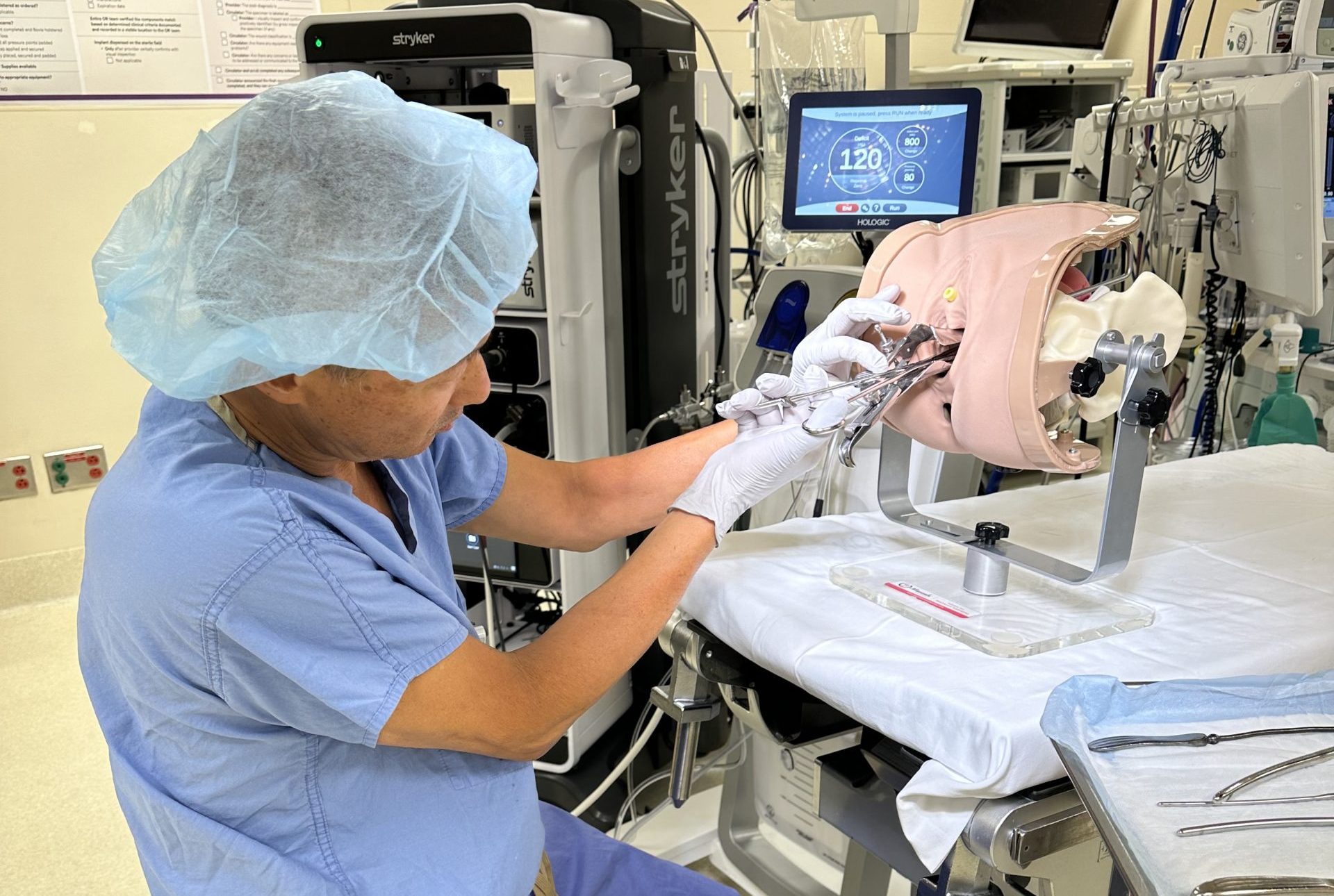
Surgical training in obstetrics and gynecology is changing. As case volumes continue to decline, opportunities to gain hands-on experience with gynecologic and obstetric procedures are becoming increasingly limited. At the same time, surgeons are expected to graduate with the technical skills, procedural knowledge, and confidence needed to perform these procedures safely and effectively.
A Growing Gap in Surgical Education
Learning procedures in an operating room can present another challenge. Patient safety must remain the priority, leaving limited opportunities to pause or practice individual surgical steps. A resident may observe a procedure several times without necessarily having the opportunity to perform every component themselves.
This creates a gap between the procedures surgeons are expected to master and the hands-on experience available to them during training. As surgical case volume changes, traditional clinical exposure alone may not always provide the repetition needed to develop technical proficiency.
Simulation Creates More Opportunities to Practice
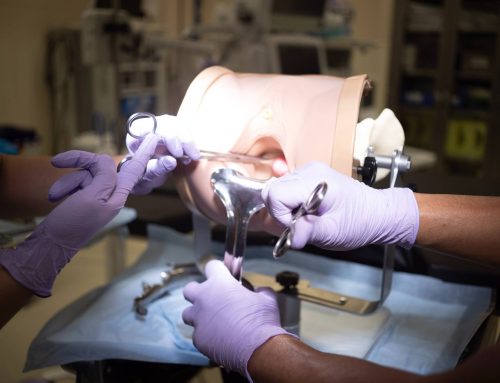
Simulation-based education offers a way to help address this gap. In a controlled environment, surgeons can practice procedures without placing patients at risk. This allows them to focus on developing technical skills and understanding procedural steps.
Unlike the operating room, where practice opportunities depend on the availability of appropriate cases, simulation provides a consistent environment where the same procedure can be practiced repeatedly. Surgeons can slow down, focus on challenging portions of a procedure, and refine their technique through intentional practice.
Repetition Is Key to Surgical Mastery
Developing surgical proficiency requires more than simply understanding the steps of a procedure. Surgeons need opportunities to perform those steps repeatedly.
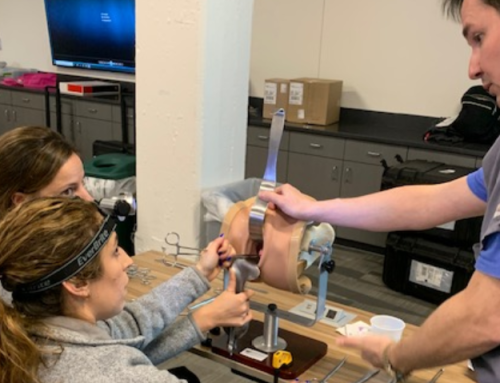
Through deliberate simulation practice, procedures can be broken down into individual techniques. Surgeons can identify areas that need improvement, make adjustments, and repeat the process until the movements and sequence become increasingly familiar. Over time, this repetition helps develop procedural fluency, allowing surgeons to perform technical tasks with greater precision and efficiency.
Confidence Before the Operating Room
Technical proficiency and confidence develop together. As surgeons become more familiar with the anatomy, instruments, procedural sequence, and potential challenges associated with a procedure, they can approach the operating room with a stronger foundation.
Simulation gives surgeons the opportunity to encounter challenging steps before performing them on a patient. That familiarity can help surgeons feel better prepared to apply their skills in a real clinical setting.
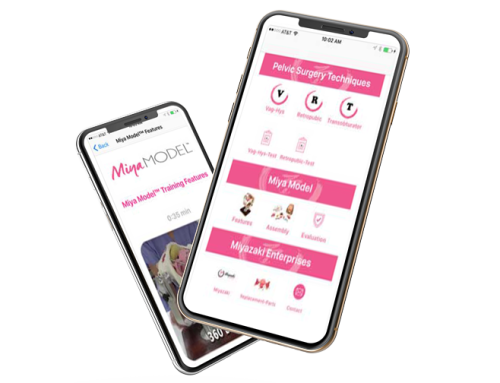
Learn more about the Miya Model and explore simulation training resources for your program.