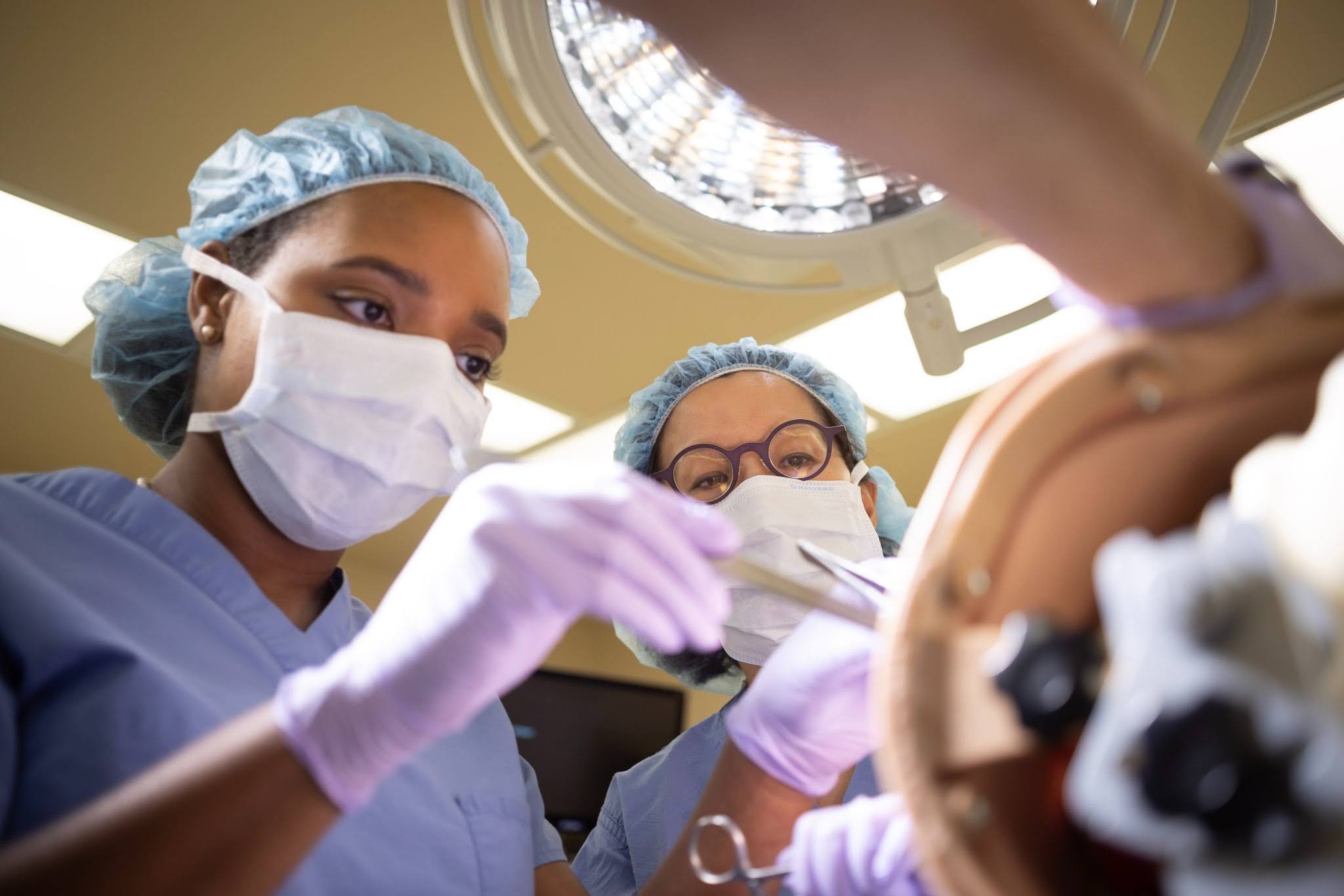
For healthcare providers in rural communities, geographic isolation and declining clinical case volumes have historically made it difficult to maintain critical surgical skills. Without frequent hands-on practice, procedural confidence and surgical muscle memory can quickly erode. However, the emergence of portable, high-fidelity simulation technology is fundamentally shifting this landscape. By bringing realistic training directly to rural communities, advanced simulators allow practitioners to stay operating-room ready without ever having to leave their zip code.
Overcoming the geographic barrier
Before high-fidelity gynecological surgical training models were readily accessible, surgeons practicing in rural communities often had to travel to urban centers to learn and practice specialized procedures. This created several operational challenges. Surgeons had to step away from their practices and patients, hospitals lost the opportunity to bill for their services while they were away, and additional expenses such as travel, lodging, and meals added to the overall cost of training.
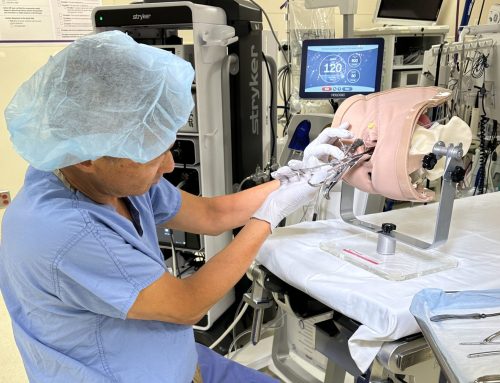
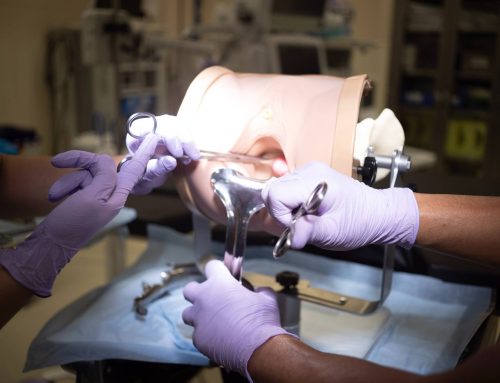
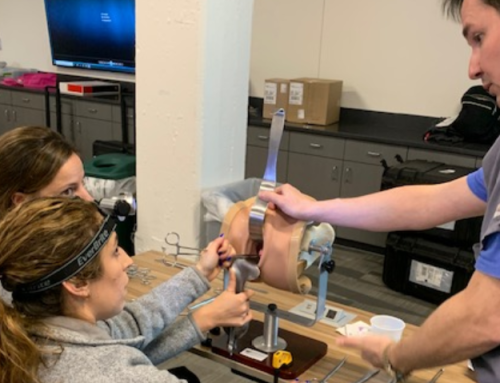
The Miya Model helps eliminate these barriers by bringing high-fidelity gynecological training directly to rural surgeons. Instead of requiring surgeons to leave their communities to access specialized training, they can practice procedures in the environments where they already work.
The cost-effective alternative
Cadaver training remains an effective method for surgical education, but it can present significant challenges for surgeons practicing in rural communities. Surgeons may need to travel to centers where cadaver specimens are available, or medical centers may have to arrange for specimens to be transported to the rural community. Either option creates logistical challenges and adds to the overall cost of training.
The expense can be particularly difficult for rural medical centers with limited training budgets. Beyond the cost of obtaining and transporting specimens, cadaver training may require specialized chemicals, equipment, storage, and safety measures to properly maintain the specimens. Additionally, cadavers have a limited useful lifespan. After repeated use, the structural integrity of the specimen can become compromised, limiting the number of procedures surgeons can realistically practice.
The Miya Model helps overcome these limitations with its modular design and replaceable components. Instead of replacing an entire model, medical centers can replace individual parts as needed. This extends the model’s useful life and provides surgeons with ongoing opportunities to practice at a fraction of the cost of repeated cadaver training.
Digital support for remote learners
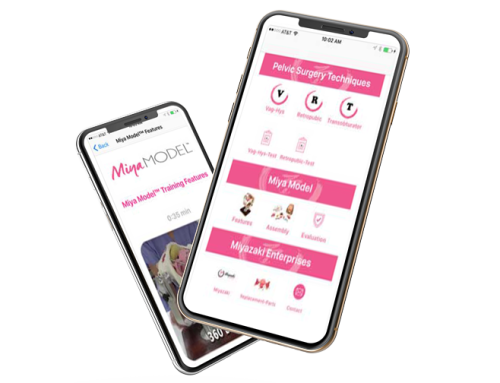
For rural communities, education extends beyond simply using the Miya Model for realistic surgical procedures. Available as a free support tool, the Miya Model app houses videos that walk through how to use the model alongside the technical steps for vaginal hysterectomy, retropubic slings, and transobturator slings. Surgeons can watch a procedure broken down before they attempt it, then return to the footage between repetitions to refine their approach. Every instructional video undergoes peer review and has been featured in professionally published work, both domestically and abroad.