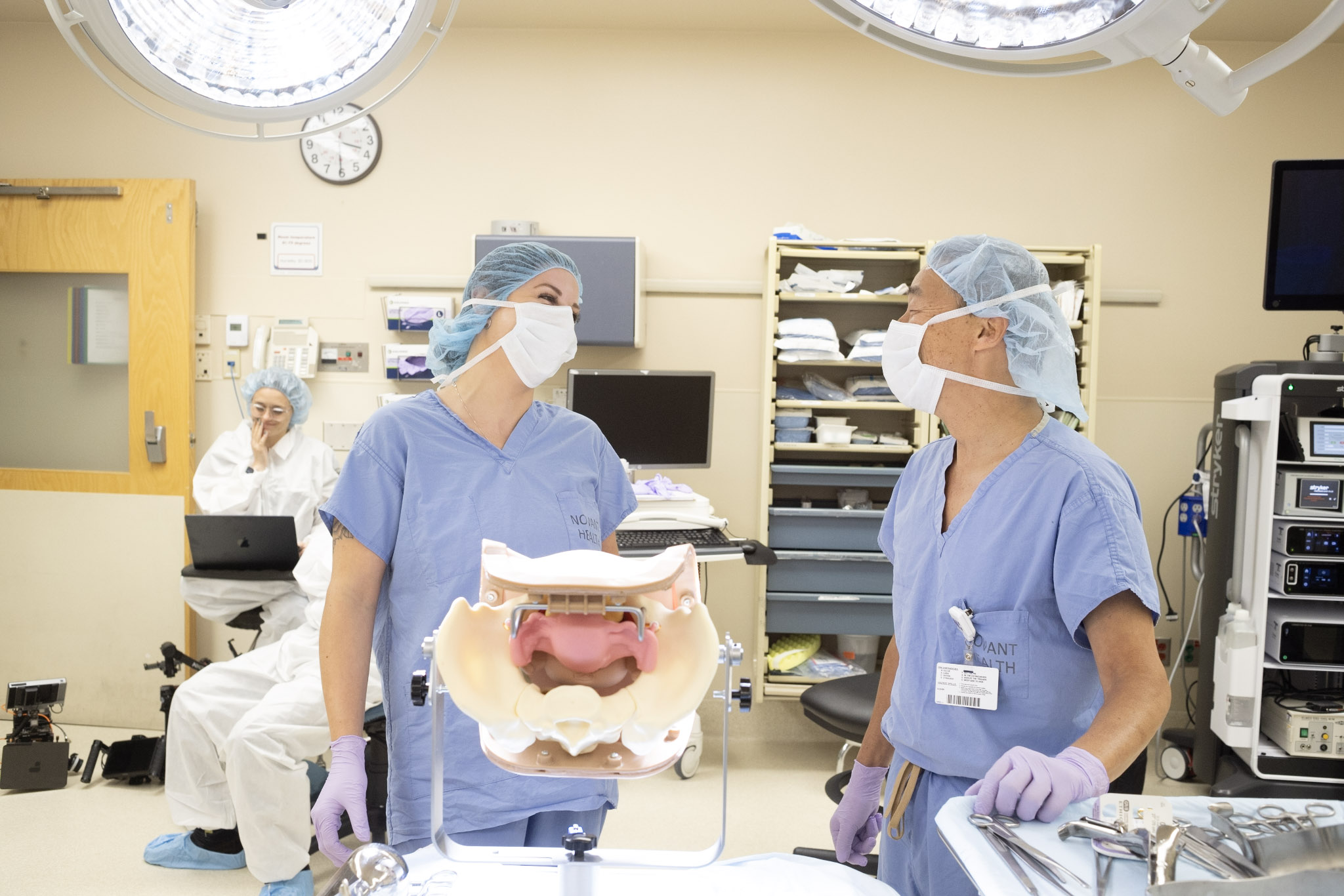
While technical skill is essential, improving patient outcomes ultimately depends on clear team communication. The Miya Model bridges this gap by treating communication as a core surgical competency, ensuring teams can collaborate effectively under pressure.
The Human Factor in Gynecology Surgery
It’s easy to picture surgery as an individual performance where success is determined by the surgeon’s technical ability. In reality, modern gynecological surgery is profoundly team-dependent. Operative outcomes rely on coordinated communication between all team members. When that coordination is strong, procedures run smoothly. When it falters, even the most refined technical skills cannot fully shield a patient from risk.
Communication breakdowns remain one of the frequent causes of preventable surgical errors, clinical delays, and adverse outcomes in women’s health care. Teams cannot afford to invent their own communication styles on the fly. Establishing structured and reliable communication frameworks before stepping into the operating room is essential for team success and a positive patient outcome.
Highly-Reliable Communication Tools
To keep surgical teams aligned under pressure, standardized communication tools are used. These practices replace informal habits with clear protocols that leave no room for guesswork.
Closed-loop communication uses a three-step process of callouts and checkbacks to prevent misheard or missed requests. When a surgeon requests an instrument or suction adjustment, the receiver verbally confirms the order before taking action. The sender then verifies that the message was correctly understood, ensuring tasks are completed without relying on assumptions.
Prior to the initial incision, all operative activity pauses for a formal check-in. This deliberate stop allows each team member to confirm critical details and establish a shared focus before the procedure begins.
Effective communication extends well beyond the procedure itself. Preoperative briefings ensure the team understands the plan and contingency scenarios. While post-operative briefings provide a setting to evaluate workflow, address communication bottlenecks, and improve systems.
The Miya Model as a Collaborative Training Platform
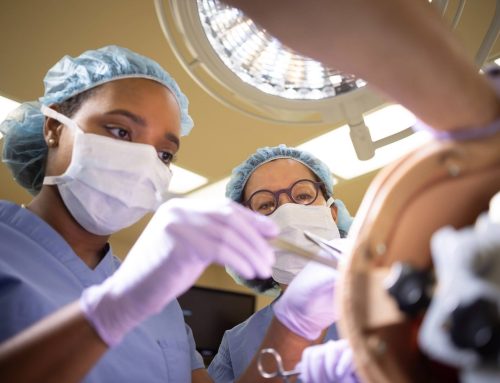
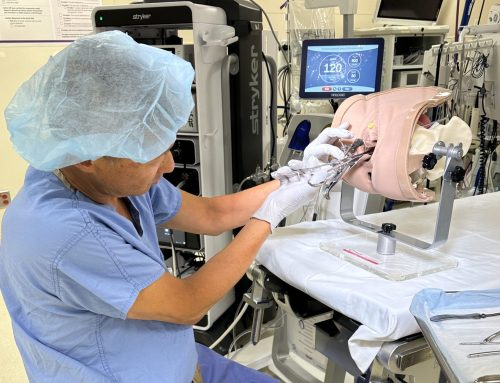
Built for high-fidelity simulation, the Miya Model allows surgical teams to train both execution and critical team communication simultaneously.
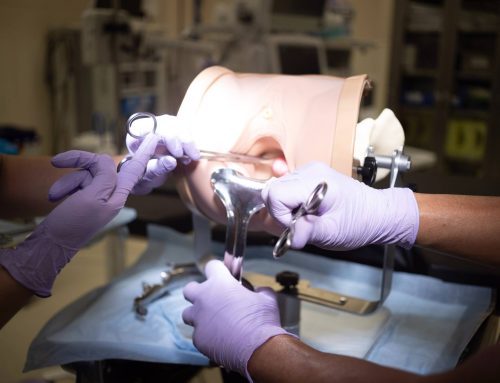
During complex simulated procedures, teams can practice instrument changes, adjusting suction and instrument placement, and verbal communication using standardized frameworks. By aligning technical steps with verbal communication, teams strengthen their ability to work effectively and can improve patient outcomes.
Whether pausing alongside an instructor to analyze procedural steps or managing an urgent fluid lead under real-time scenarios, the Miya Model allows teams to practice realistic communication and collaboration.
Rather than practicing technical maneuvers in isolation, teams use the model to rehearse the exact communication protocols required in the operating room.
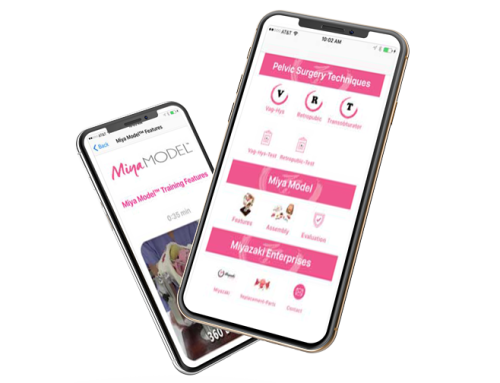
Learn more about the Miya Model and explore simulation training resources for your program.