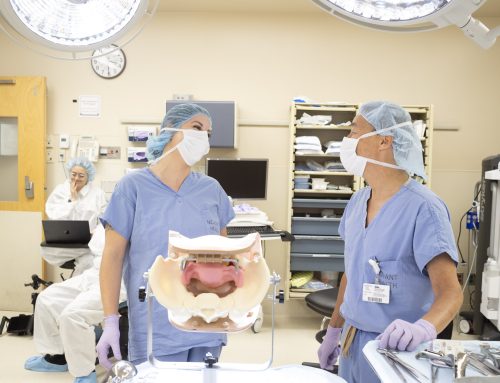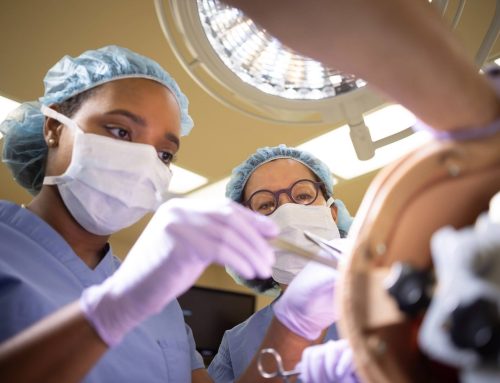
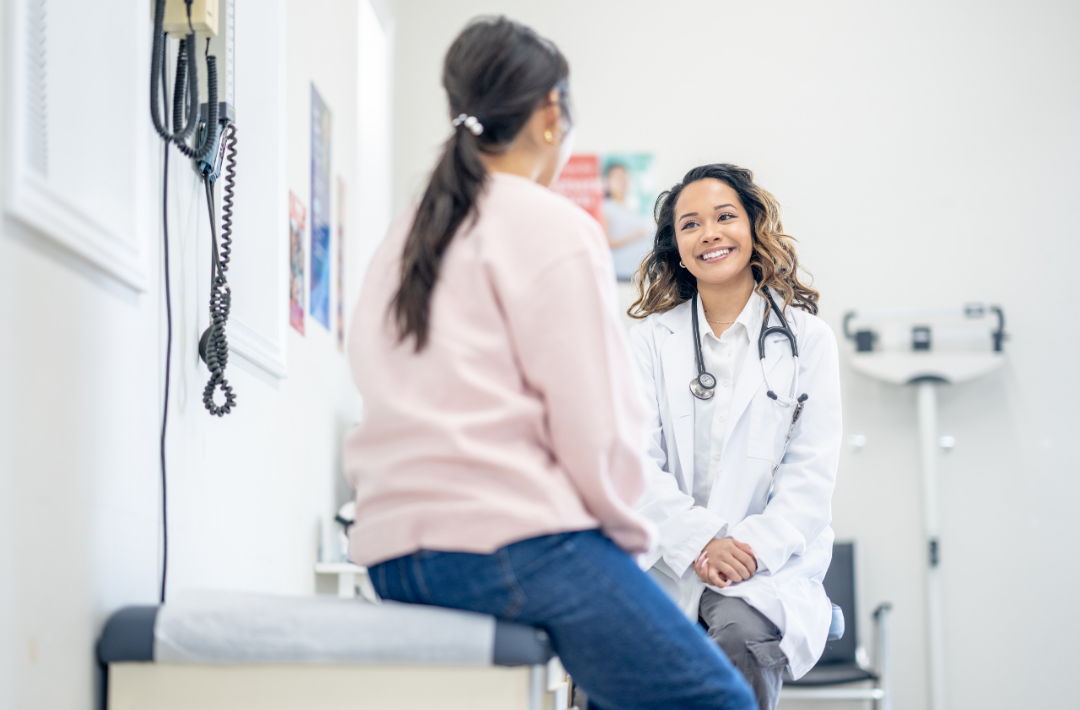
Burnout and staffing shortages are putting intense pressure on women’s health teams across the country. As hospitals close maternity programs and fewer clinics enter or stay in the field, providers who remain are stretched thinner than ever. They often take on complex care with fewer training opportunities behind them. Accessible and realistic simulation with tools like the Miya Model offer a practical way to close that readiness gap, helping clinicians build confidence faster while easing the daily stress that drives burnout.
Fewer Training Opportunities Lead to Burnout
Burnout in women’s health isn’t just about long hours. It’s also fueled by the pressure of taking on high-stakes care without enough hands-on preparation. As surgical volumes decline and clinical teams are stretched thin, busy shifts leave little room to pause, teach, and repeat individual steps while keeping patient safety first.
When experienced mentors leave or retire, that training bottleneck grows even tighter. As a result, many clinicians enter independent practice or take on heavier responsibilities with fewer repetitions than past generations. Carrying that kind of clinical weight without feeling fully ready heightens daily anxiety, increases mental fatigue, and accelerates burnout.
Eliminating the Readiness Gap
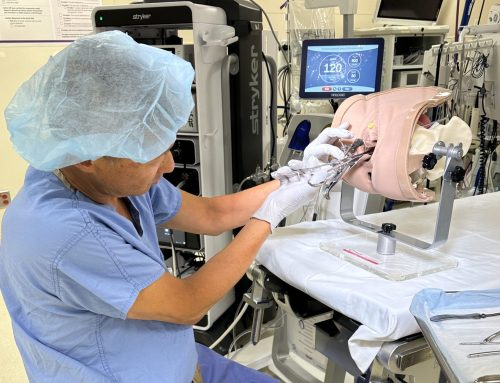
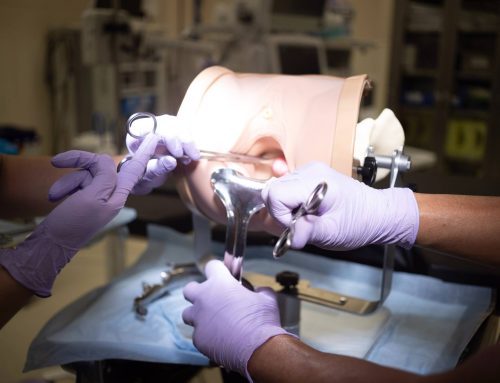
Hands-on simulation with the Miya Model offers a practical way to close the readiness gap before clinicians ever step into the operating room. Because vaginal and pelvic procedures rely heavily on touch rather than sight alone, rigid plastic models often fall short. The Miya Model uses realistic tissue, palpable landmarks, and bleeding vasculature so learners can build genuine muscle memory by feel, without putting patients at risk.
Pairing the model with the free Miya Model App lets clinicians practice complex procedures repeatedly and refresh their skills around demanding schedules, without needing an instructor present every time.
Confidence Supports Clinician Well-Being
Technical readiness and clinician well-being go hand in hand. When clinicians use the Miya Model to master challenging steps in a low-pressure setting, they walk into real clinical moments feeling grounded and prepared rather than overwhelmed.
Routine simulation is also linked to stronger teamwork, healthier safety cultures, and lower burnout severity. By helping teams prevent complications and reduce malpractice stress, ongoing training eases some of the toughest pressures driving good clinicians away from the women’s health field.
Learn more about the Miya Model and explore simulation training resources for your program.